
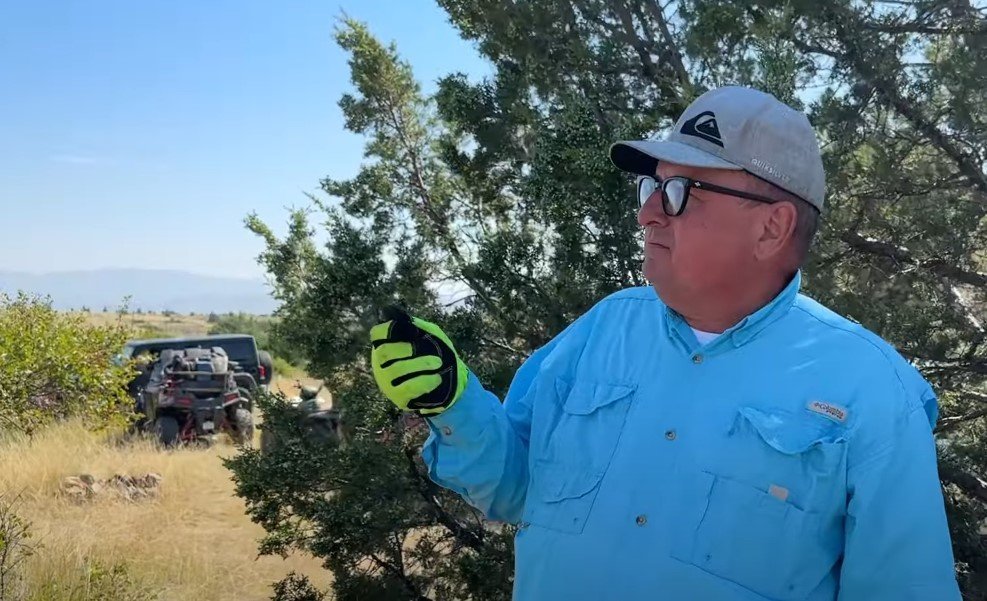
The Importance of Mentorship and Exploration: A Conversation with Jerry Traylor
June 13th, 2024



What is your current role? How long have you worked for Monument?
I have 17 collective years of experience at Monument facilities. I was employed by Nova Molecular Technologies for 4 years, which is now known as Monument Chemical – Bayport. Between 1988 and 1996, I worked for Olin Corporation in Brandenburg, Kentucky, which is now Monument Chemical – Kentucky. This background has given me extensive experience within Monument facilities. I’ve been working for Monument directly for five years.
Currently, I work in the Monument Renewables and Fuels business. Monument aims to expand the use of renewable and sustainable aviation fuel in the North American market, and my role supports this initiative.
Tell us about your experience as a mentor with the Rose-Hulman Institute of Technology Chemical Engineering Department.
I graduated from Rose-Hulman in 1987 with a degree in Chemical Engineering and have maintained connections with people at the college throughout my career. About 13 years ago, the Chemical Engineering Department put out a call for mentors. I immediately expressed my interest and have been involved with the program since its inception.
I work with a team of four students who are assigned a project as part of their Capstone Design Class. Their goal is to complete a high-level design, run the economics of the proposed project, conduct simulations, and determine the necessary equipment for the project. At the end of the course, they present their findings to the class. We meet via Microsoft Teams, and I make myself available via email and text over the course of 10 weeks.
In this role, I act as their mentor, and also play the role of their boss. I’m not the type of boss that tells them what to do; rather I offer guidance where needed and help facilitate their progress. My approach focuses on bringing real-world applications into their projects to ensure they are prepared to start their careers.
What made you want to get involved as a mentor?
I didn’t have a mentor when I was in school, and having gone through that experience, I realize now how beneficial it would have been for my development.
There aren’t a lot of Chemical Engineers, and these days they seem to be retiring faster than they are graduating. Thirty years ago, I was tasked with training my replacement, and I realized that for there to be competent Chemical Engineers, those in the profession need to step up and help. Engineers are constantly growing and learning, and if I keep what I’ve learned locked away, no one benefits. I want the profession to be in a good place in the future, and if I can influence four engineers a year, I’m happy to do it.
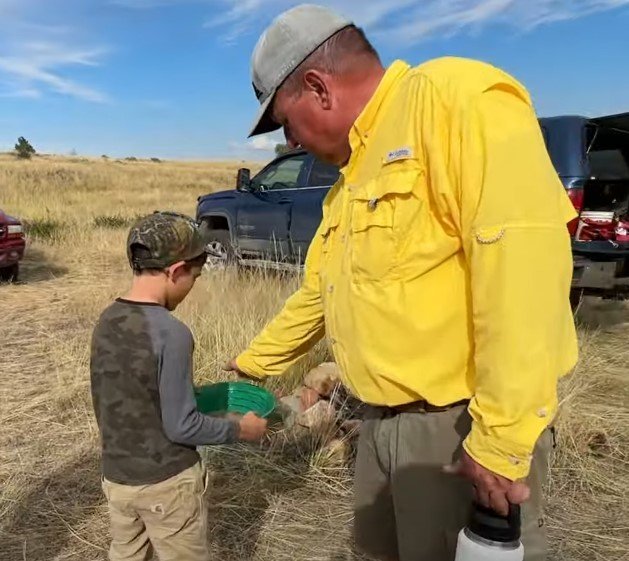
What wisdom and advice do you try to pass down to the students in the class?
I try to act as a window to the world for them, guiding them on the steps to take and what to expect when they start their careers. Sometimes, students struggle and get hung up on the idea that something has to work a certain way, but often the right answer is to stop and consider alternative solutions. Hearing “no” can be difficult for young engineers, but it’s a crucial part of the learning process. The best lessons are often learned the hard way. I believe the most successful teams are those that establish and maintain open dialogue, and the most successful projects are characterized by continuous communication. All of this applies to the real world.
I also encourage them to get to know their tradespeople — the individuals turning the wrenches, building, and fixing things. The sooner you understand what they face, the better an engineer you’ll be. I tell the students that while a tradesperson may not always know why something works, they know how it works and how to fix it. As the students progress into their careers, I try to instill in them a degree of humbleness and a respect for the people building/operating their designs.

Categories
Recent Articles
- 06/4/26Unlock the Power of AI at Monument – Join Our Upcoming Summer Sessions!
- 06/3/26Update Your Workday Profile. Unlock Possibilities – and a Chance to Win a Gift Card
- 06/1/26Our Q2 2026 Work Anniversaries — Congratulations!
- 05/29/26Stephen Cundiff Accepts New Role as EHS Manager - Brandenburg
- 05/28/26Monument Houston Earns Eighth Straight Pinnacle Award for Rail Safety
- 05/22/26Monument Engineer Alexandra Bledsoe Featured in CPI Young Professionals Spotlight
- 05/21/26Expand Your Professional Development — Free Continuing Education Opportunities Available
