
Top News
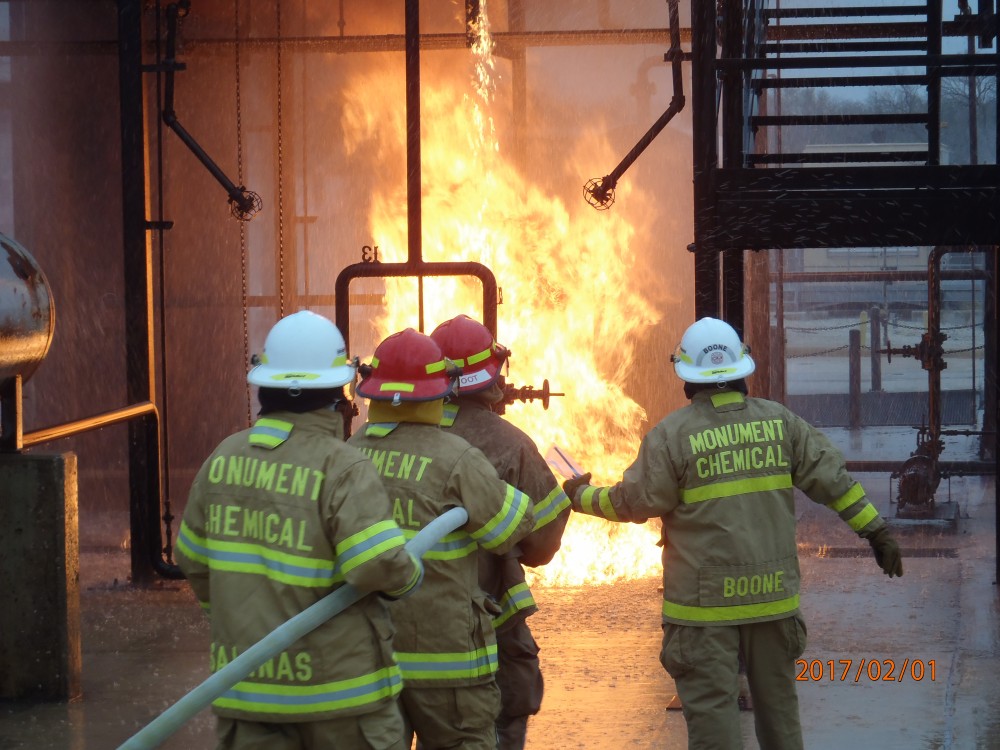
A Refreshed Focus on Emergency Preparedness: Plan, Train, Collaborate, Repeat
December 11th, 2019
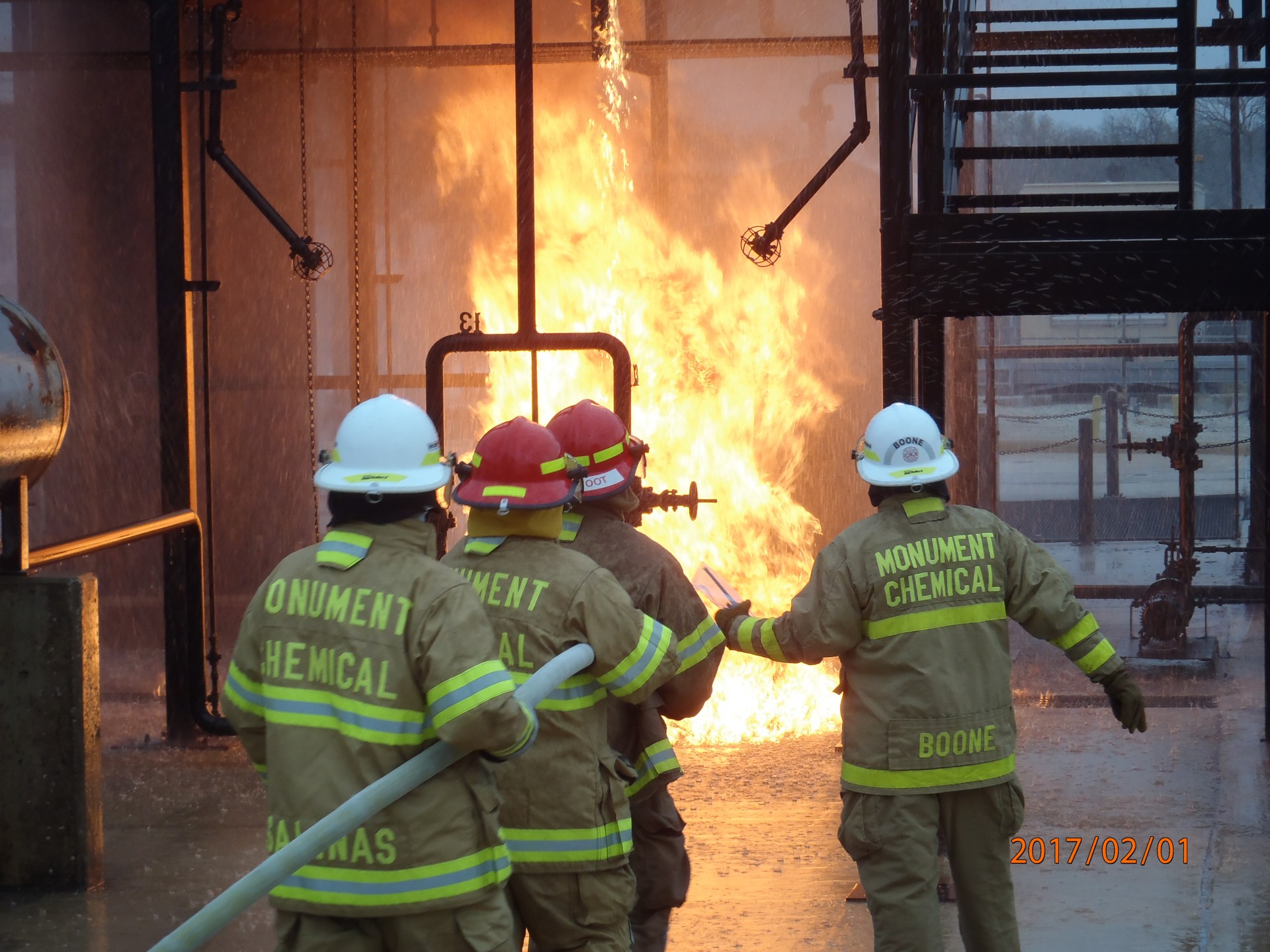 No one at Monument is a stranger to frequent discussions (and actions) about how we prevent HSE incidents. Proactivity and prevention are key tenants of how we protect each other, the environment, and the communities in which we operate. We constantly ask ourselves, “Are we doing everything we can to prevent an incident?”
But as recent high-consequence industry events have taught us, there’s another important question to ask: “Do we have the programs, the processes, and the training needed to respond to a significant incident should one happen?” Even with the best of planning, no company is immune to the possibility of a crisis – which may even be triggered by events that are out of our control, such as a natural disaster.
While proactivity and prevention will always be our first line of defense, we must work together to ensure we are prepared for any incident that may occur. The right planning, training, and processes can mean the difference between a crisis that spins out of control and one that is resolved with minimal impact to the site, our employees, and the community.
Special Audit Team Uses Hindsight to Improve Foresight
As Qamar shared via Monument Connect, a special audit team was formed earlier this year (in partnership with the Heritage Enterprise Risk Management Team) to assess Monument Chemicals’ current state of emergency preparedness and to identify areas for improvement.
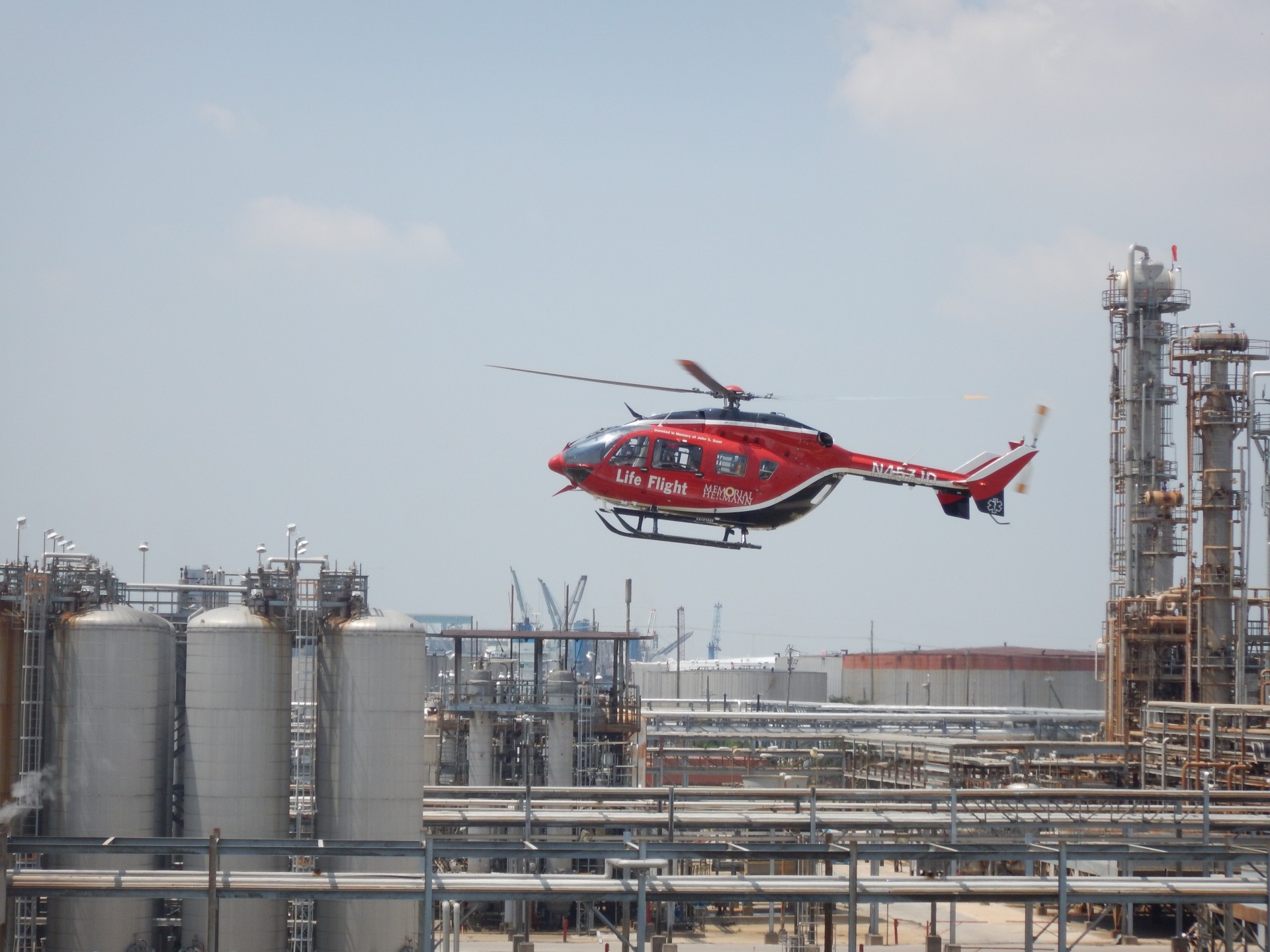 “The audit team delved into the recent high-profile incidents in the industry to learn more about incident triggers and the events that followed,” said Dave Narayan, Global HSE Leader. “Hindsight is always 20/20, but we knew we could leverage those learnings to improve our own foresight about where to look for potential gaps in our own processes.” Over the past few months, the audit team has completed assessments at all five Monument manufacturing sites. Key focus areas included: Housekeeping in relation to Emergency Response, Fire & Spill Protection Capability, Operating Procedures, Training Records, Process Safety, Security, and Compliance. “In working with the site teams, we concentrated our efforts on areas where we see the highest potential for incidents, such as loading areas,” said Stacy Johnson, Houston Area HSSE Manager.
Employee engagement in all functions was also critical to an open dialogue about areas for improvement.
“At Houston, we watched videos of incidents at other facilities to spark discussion,” said Stacy. “For example, we reviewed a loading incident with our loading crew and asked them specific questions. Could this happen here? If yes, why – and how can we eliminate the risks? And if no, why? Our aim was constantly to get the team to ponder all the ‘what ifs’ – something we generally don’t do on a daily basis.”
The Biggest Audit Learnings To-Date
The list of learnings from the audits is large, but the team has identified key lessons they’ve gathered from this round of site assessments.
“As with our proactive measures, training is also essential for emergency preparedness,” said Rick Caines, Vice President, Manufacturing. “We identified and quickly remedied some training gaps – everything from enhanced emergency response training to media training for leaders – with more follow-up actions to come. Our team members must be able to respond quickly and effectively in any situation, and consistent training is how we lay the foundation for those abilities.”
Another key learning was the importance of analyzing access and egress in all areas with the mindset of an Emergency Responder (both internal and external).
“In our daily walks through the site, we don’t always think about how we can safety access and evacuate an area in case of emergency,” said Stacy. “The audit work uncovered many areas where we can improve access. On a normal day, it’s not a big deal to walk 25 feet to walk around structures to access an area of containment, but in an emergency, you need to get from point A to point B as quickly as possible.”
Next Steps – An Ongoing Process
“These audits aren’t a one-and-done activity,” said Rick. “This was just a refreshed starting point for our emergency preparedness commitment.”
The team is prioritizing and addressing the audit findings, and plans are underway to do a second round of audits in 2020. Where applicable, any priority findings will be implemented into the Capital Project planning for Monument.
“Every time we work with a site team, we’ll be able to dig a little deeper,” said Jody Caines, Global Compliance Manager. “Between new employees, capital expansions, regulations, and changing technologies, we have to look at everything to ensure our emergency preparedness training and processes are up-to-date and managed.”
Next year, Monument will also be rolling out a new Global Compliance Process and software to keep track of all deliverables – and to better leverage learnings and activities across plants. The work of the audit team will continue to complement emergency preparedness activities that were already taking place at Monument sites, such as regular emergency response drills and ongoing relationship-building with community emergency responders.
“Our connections to the local emergency response teams are essential, because they’ll be right here with us in the event a crisis,” said Stacy. “We meet with them regularly; we solicit their expertise; and we keep our lines of communication open.”
“Every employee has a role to play in our emergency preparedness work,” said Rick. “In addition to the formal work with the audit teams, we ask that everyone ensure they are up-to-date on their training – and set aside some time each week to do ‘worst case scenario’ thinking. What are the low-probability / high-consequence things that might happen – and are there any gaps in your work processes that should be addressed?”
“YOU are our eyes in the plants,” said Narayan. “And our ears on the audit team are always open to your ideas and suggestions.”

